
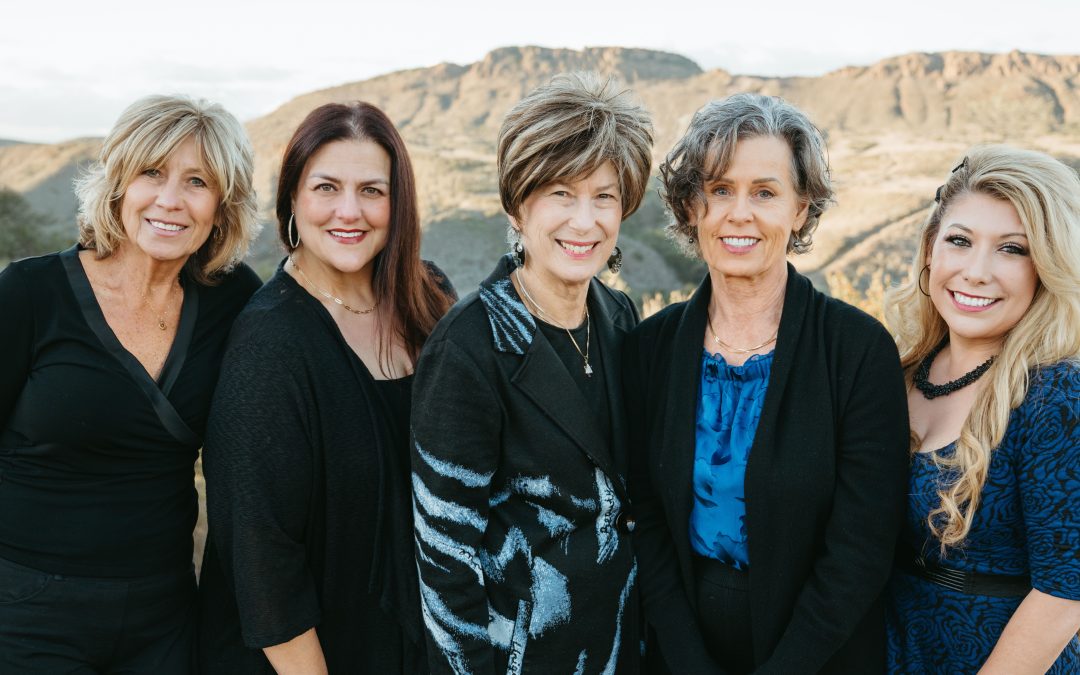
Pictured in photo: Jan Bearss, Lucille Kosmatka, Tami Podell, Kelila Heller, Jennahway Salisbury
When families first come to me, they’re often anxious and unsure where to begin. Questions like “What will this cost?” or “What happens when Mom runs out of money?” come up immediately, and understandably so. Planning for senior care can feel overwhelming, especially when it’s urgent or emotionally charged.
I’ve worked in senior living placement for over a decade, and what I tell every family is this: You don’t have to do this alone, and the earlier you start, the more choices you’ll have.
The Cost Question: Planning Ahead
Let’s start with the big one: cost.
In Southern California, where my business is based, assisted living and memory care prices vary widely depending on location, care needs, and amenities. Assisted living communities can range anywhere from $4,500 to $12,000 per month, while memory care typically runs higher due to the increased staffing required.
Unfortunately, most people don’t have long-term care insurance, and even fewer have planned financially for the possibility of living to 100—a reality that’s becoming increasingly common. Many who are now in their 80s had planned to live to 85, not 95, and as a result, their savings are stretched thin.
If your loved one only has Social Security income, options are limited but not impossible. Medicaid (known as Medi-Cal in California) offers some assistance, but it won’t cover high-end facilities. What’s most important is planning early—ideally in your 40s or 50s—so you can explore long-term care insurance or hybrid life insurance policies with long-term care riders. These provide peace of mind for you and your family later in life.
Understanding the Different Levels of Senior Living
Families are often surprised to learn how many types of senior living exist today—and how beautiful many of these communities are. Gone are the days when “nursing home” meant sterile hallways and isolation as your only option.
Here’s a breakdown of the main types of senior housing and care:
Independent Living
This is a wonderful option for older adults who are still active but ready to trade home maintenance for convenience and community. Think of it as a resort-style retirement community: beautiful apartments, chef-prepared meals, housekeeping, social activities, transportation, and security—all included.
These communities are not licensed to cover personal care needs, but residents can bring in in-home caregivers if they need extra help. Independent living is about maintaining independence while eliminating the burdens of daily chores.
Assisted Living
Assisted living includes all the amenities of independent living plus 24/7 caregiving staff on site. Residents can receive help with bathing, dressing, medication management, or mobility—whatever level of support they may need.
Some assisted living communities also have licensed nurses available to assess residents after a fall or health concern. It’s a balance between independence and support, allowing residents to live as fully as possible with peace of mind that help is always nearby.
Memory Care
If and when memory impairment develops, a more structured environment is necessary. Memory care communities are designed specifically for those living with Alzheimer’s or dementia.
These living situations provide secure settings, higher staffing ratios, and daily routines that reduce confusion and anxiety. Residents often have private or semi-private studio apartments, and activities are thoughtfully designed to support cognitive engagement and emotional well-being.
Some assisted living communities include a memory care wing, while others are stand-alone memory care communities. Both can be excellent options depending on the level of need.
Residential Care Homes (RCFEs)
These are small, state-licensed homes—usually with six residents—offering a more intimate, family-like setting. They’re ideal for individuals who need even higher levels of personal attention, such as those with advanced dementia or mobility limitations.
With a caregiver-to-resident ratio often around 1:3, residents receive truly personalized care in a comfortable home environment.
In-Home Care
Many families prefer to start with in-home care, which allows seniors to remain in familiar surroundings. In California, licensed, bonded, and insured agencies typically charge $35–$45 per hour, with a four-hour daily minimum.
In-home care is an excellent starting point—but once someone requires more than five or six hours of care daily, the cost can easily exceed the price of assisted living. At that point, transitioning to a community often makes more sense financially and socially.
A Word of Caution: Hiring an independent caregiver—someone you hire and pay yourself rather than hiring one employed by a caregiving agency—will make you an employer under California law. That means handling payroll taxes, buying insurance, and following all employment regulations. Not doing so can lead to lawsuits and financial risk. Also, these independent caregivers may not be trained properly, if at all. I always advise working with licensed agencies to protect you and your loved one.
When to Start Looking—and What to Watch For
Most families call me when a crisis has already happened—after a parent falls, experiences a stroke, or shows signs of worsening memory loss. My advice? Call earlier. Our service is completely free to families. The sooner we connect, the more options we can explore together and the better prepared you’ll be when needs arise.
Here are a few red flags that may indicate it’s time to start exploring care options:
- Unexplained dents in the car or garage
- Unpaid bills or piles of unopened mail
- Spoiled food or signs of poor nutrition
- Repetitive questions or confusion about time and appointments
- Decline in hygiene or wearing unwashed clothing
- Evidence of scams or financial confusion
When you notice these patterns, it’s time for a conversation. Getting help early can prevent accidents and give your loved one a better quality of life.
How Assisted Living Connections Helps Families
At Assisted Living Connections, our professional team helps families find the right senior living community or care option—at no cost. We act as guides and advocates through every step of the process, from assessing needs and identifying qualified communities to supporting the move and follow-up. Our goal is to make a complex, emotional process simpler, more transparent, and more compassionate.
Facing the Emotional Side: Guilt and Misconceptions
It’s common for families to feel conflicted or even guilty about placing a loved one in a community setting. Often, parents will say, “Promise me you’ll never put me in a nursing home.” But the truth is, modern senior communities are nothing like the institutions of the past.
When I take families on tours, their reactions are usually delight and relief. The dining rooms look like restaurants. There are gardens, art studios, theaters, beauty salons, and swimming pools. Many residents say it feels like “going back to college,” delighted to see that everything they need is right there, with new friends and engaging activities just steps away.
I remind families that safety, dignity, and social connection are what matter most. Today’s assisted living communities provide all three—and often restore joy and peace of mind to both residents and their families.
The Importance of Planning Early
If I could give one piece of advice to every family, it would be this: start the conversation early. Discuss your parents’ wishes. Make sure estate plans, powers of attorney, and healthcare directives are in place. Know where important documents are kept.
If you’re in your 40s or 50s, now is the time to look into long-term care insurance or financial planning for your own future. According to the Department of Health and Human Services, 70% of people over age 65 will need some form of long-term care, and women typically need it for at least three years of their lives. Those numbers are only rising as life expectancy increases. Planning now means freedom later—for both you and your loved ones.
Final Thoughts
Navigating senior care can feel daunting, but you don’t have to do it alone. With the right guidance, you can make informed choices that bring comfort, safety, and peace of mind to your family. We’re grateful to Kelila Heller of Assisted Living Connections for sharing her deep knowledge and compassion for families navigating senor living decisions. At AgeWise Alliance, we’ve built a community of professionals like Kelila—people you can trust to guide you through every stage of later life with clarity and care. Explore more expert articles and resources at AgeWiseAlliance.com.
About the Author
Kelila Heller is co-owner (with Tami Podell) of Assisted Living Connections, an assisted living placement agency providing no-cost services to families and seniors in Ventura and Los Angeles Counties. Kelila holds a California Department of Social Services Administrator’s RCFE Certification and serves on the Board of Directors for Senior Concerns, the Conejo Valley’s preeminent nonprofit for senior care.
Her personal experience supporting her mother, grandmother, and aunt through aging and dementia inspired her lifelong commitment to helping families navigate senior care with confidence and compassion.
Recent Comments